Soon after I watched D1, I’d already predicted that D2 would turn into propaganda for the ruling dispensation. I didn’t want to write the same review all over again, even though most people would probably disagree with me. So why speak up now? Read on…
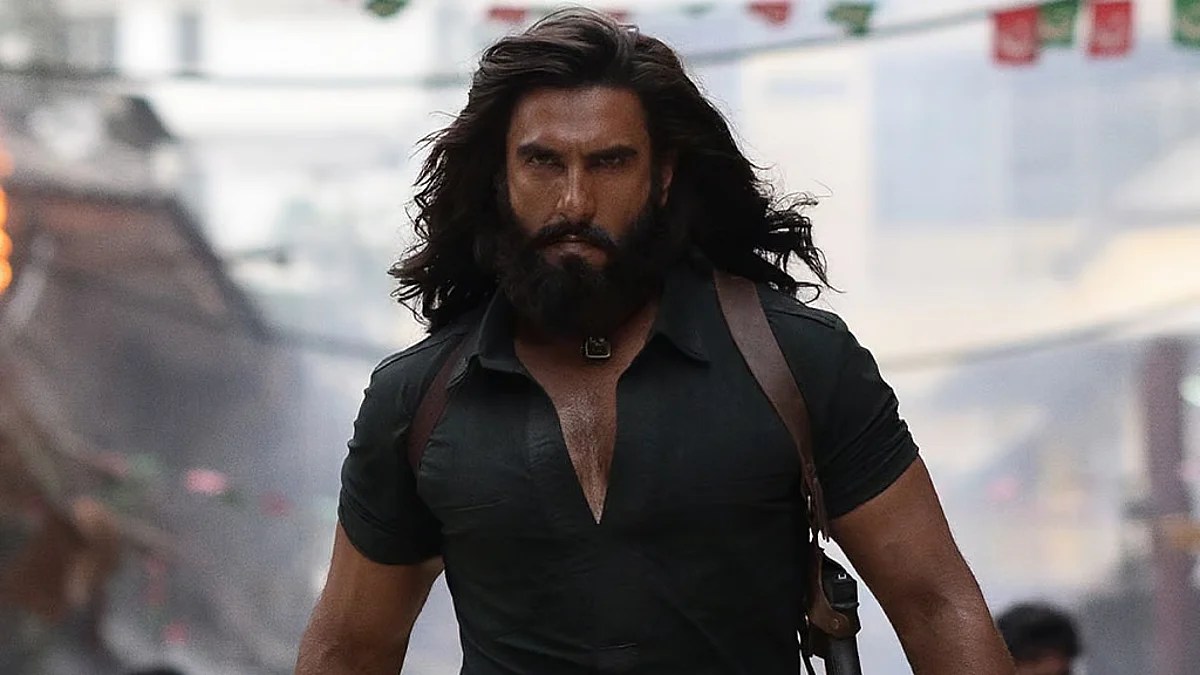
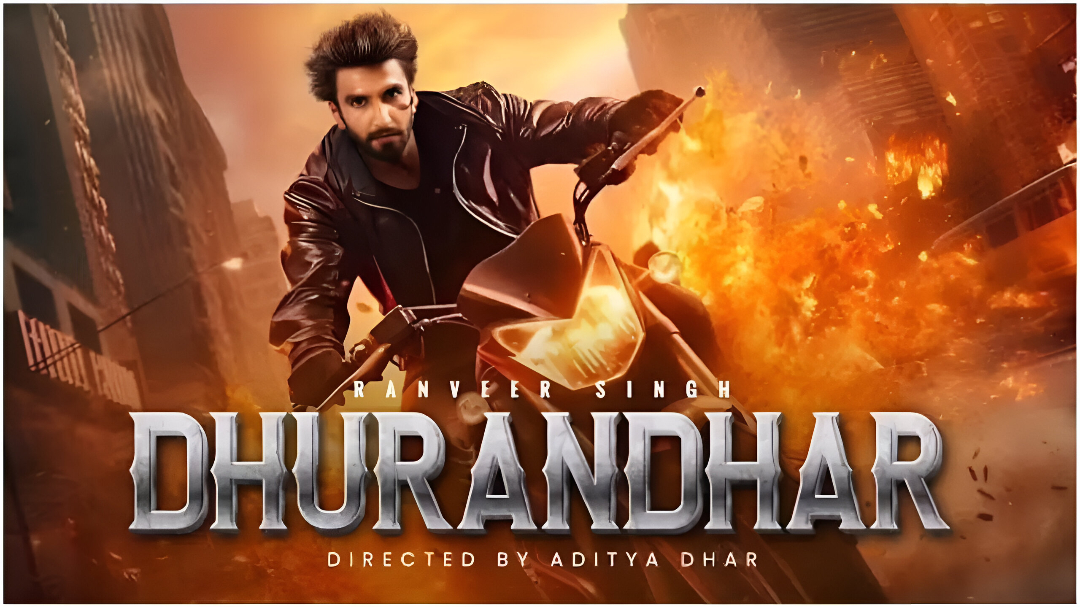
The unexpected protagonist in D1 was Akshaye Khanna. But once I saw the film’s success, I knew D2 would pivot entirely to Ranveer Singh — and it did. He’s doubled down on Dhurandhar. A capitalist knows what sells and simply amplifies it; Aditya Dhar is no different. Ranveer Singh looks and plays the part of a full‑blown macho man, so he naturally becomes the true protagonist of D2. The cinematography is cranked up to the next level, which is probably why four hours feel strangely bearable.
If you peel off the propaganda façade, the movie reveals itself as a genuine Mission Impossible from Bollywood.
The reason I’m doing the review now is simple: I stumbled upon a Ranveer Singh film from way back in 2022 — Jayeshbhai Jordaar. A comical character with a social spine, where Ranveer plays a man who actually cares for women, not just treats them as babymakers. He learns the truth about XY chromosomes, stands up for his wife and daughter, and becomes the first man to defend them — that’s the real Dhurandhar.
What’s the point of living in Antilla if you can’t step outside and walk on the streets? — Dhruv Rathee. I’m using Antilla here to express billion Doller worth not your popularity. The corollary: You are a Dhurandar who wipes out an entire terror outfit across the border, yet your neighbour’s daughter is raped in broad daylight and you don’t even bat an eyelid.
आदमी मरने के बाद, कुछ नहीं बोलता. आदमी मरने के बाद, कुछ नहीं सोचता. कुछ नहीं बोलने से यह कुछ नहीं सोचने से, आदमी मर जाता है.
Firstly I want to thank Abhi for recommending this movie to me. Then I saw the Akshaye Khannas viral moves, I was hooked. A fantastic block buster movie it is, if I can shake off that subtle (or not so subtle) political propaganda.
So here comes the Good, the Bad the Ugly.
The Good: Boasting cinematography that is truly top-tier, this production emerges as a sophisticated spy thriller, soaring far above the pompous, high-octane spectacle of predecessors like Pathaan, Jawan, and Tiger. The ensemble cast delivers a masterclass in performance; every actor inhabits their role with a stunning, meticulous precision that anchors the narrative’s gravity. Predominantly set within the borders of Pakistan, the film maintains a refreshing restraint, steering clear of heavy-handed propaganda but for a few fleeting, sharp dialogues. Not since the legendary Sholay has a film possessed such a magnetic, arresting grip on my attention. The characterizations are superlative—from Arjun Rampal’s commanding portrayal of an ISI Chief to Rakesh Bedi’s nuanced turn as a Pakistani politician. Had this cinematic triumph been titled Don of Pakistan, it would undoubtedly explain why it has garnered such fervent admiration from Baluchistan and Pakistani audiences alike. At the heart of this brilliance is Akshaye Khanna, the film’s true protagonist, who carries the entire narrative on his shoulders with a powerhouse performance. While his viral dance sequence is undeniably captivating, it is his overall screen presence—commanding, dominant, and electric; that truly defines this masterpiece. I don’t think this is a propaganda movie, but I get why people feel that way. The last few films, especially Vivek Agnihotri’s, have set such a bad precedent. A perfect writing/direction by Aditya Dhar.
The Bad: Animal is the film that really kicked off this recent trend of excessive goriness, and each new release seems determined to push it even further. Unsurprisingly, it has driven away some viewers — including my better half. While it’s natural for audiences to be drawn to stylized violence on screen rather than in real life, the troubling part is how this on‑screen brutality seems to be spilling into the real world. That said, the decision by some Arab nations to ban the movie feels completely misguided.
The Ugly: R. Madhavan: — ‘Let’s save these documents; in the future there will be a better Prime Minister’ — felt completely unnecessary. This is especially disappointing coming from someone with his background. He comes from my own fraternity of engineering, something I’m genuinely proud of. He was an NCC cadet who trained with the British Army in England, once dreamed of joining the Indian Army, excelled in public speaking, and even represented India at the Young Business Conference in Japan. After all of this, he chose to pursue acting — and with such a stellar education and sharp acumen, he accepted the role of Ajit Doval, a highly respected former Intelligence and RAW chief. Yet he delivered that dialogue with such carelessness. It’s possible he didn’t fully grasp the implications of the line while filming — though if anyone should have, it’s someone with his training and analytical mind. But after watching the final cut, he could have at least clarified publicly that the dialogue was not a precise reflection of the character and risked being interpreted as propaganda. Celebrities today don’t voice their opinions — whether it’s Amitabh Bachchan, Shah Rukh Khan, or Aamir Khan — often facing backlash for doing so. Hrithik Roshan initially praised the film while acknowledging its propagandist elements, only to backtrack later. Madhavan, with his stature and credibility, could have taken a clearer stand.
Here’s my conclusion: if I only had the budget for one movie ticket, I’d skip a big family blockbuster like Avatar: Fire and Ash and choose Dhurandhar instead. I actually ditched my family and took a leap of faith on this one — and I wasn’t disappointed. That said, I’m already bracing myself for May 2026 Dhurandhar 2: Revenge, because I’m convinced the sequel will be full‑blown propaganda, and I won’t be watching it in theaters.”