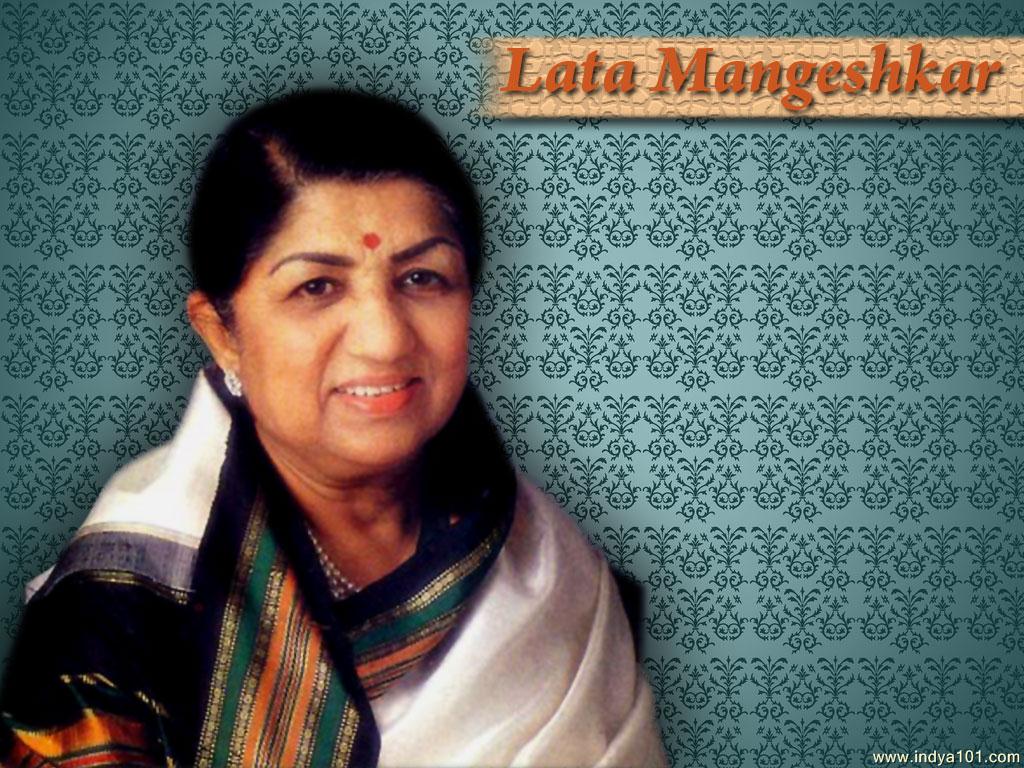
I’ll admit it — I’ve never been a big Lata Didi fan. Maybe it’s because I’m musically challenged, not just vertically challenged. That said my most favorite female singer is Shreya Ghoshal; an academic maestro of music, who calls Lata as Goddess herself. I will concur with the wisdom of SG. Cut To: Indian Idol Season 16 aired on Feb 8th, I happened to tune on Sunday out of boredom to watch the incredible budding singers, only to see that there was another Tribute to Lata Didi. A little underwhelmed but still curious to listen to the young singers belch out Lata Di songs. A welcome change was seeing someone other than Aditya Narayan hosting the show. This time it was a new face — Manoj Muntashir (yes, I had to Google him). With the poetic ease he spoke, I soon felt a lump in my throat. Song after song, he unpacked Lata’s gestures, her grace, and the small acts of generosity that defined her — like charging one rupee less than Mukesh. The singers themselves faded into the background as I waited to hear what he would reveal next about her legacy. His lyrical narration of Lata’s kindness and camaraderie was mesmerizing and genuinely tear‑jerking. However, I must confess why I remain a conflicted admirer. I am a fan of Veer-Zaara, a film that feels so raw it must be carved from a real story—perhaps inspired by the tragic, border-crossing love of Boota Singh. When the music plays and I visualize Shah Rukh Khan reaching out from that helicopter for Preity Zinta, I am right there with him, arm outstretched in a desperate search for connection. But then, she opens her mouth to sing, and I hear the voice of a 75-year-old Lata Mangeshkar. In that moment, the illusion shatters; my reaching hand recoils into a clinched fist, unable to reconcile the youthful face of Zaara with the aged, albeit legendary, timbre of the voice.
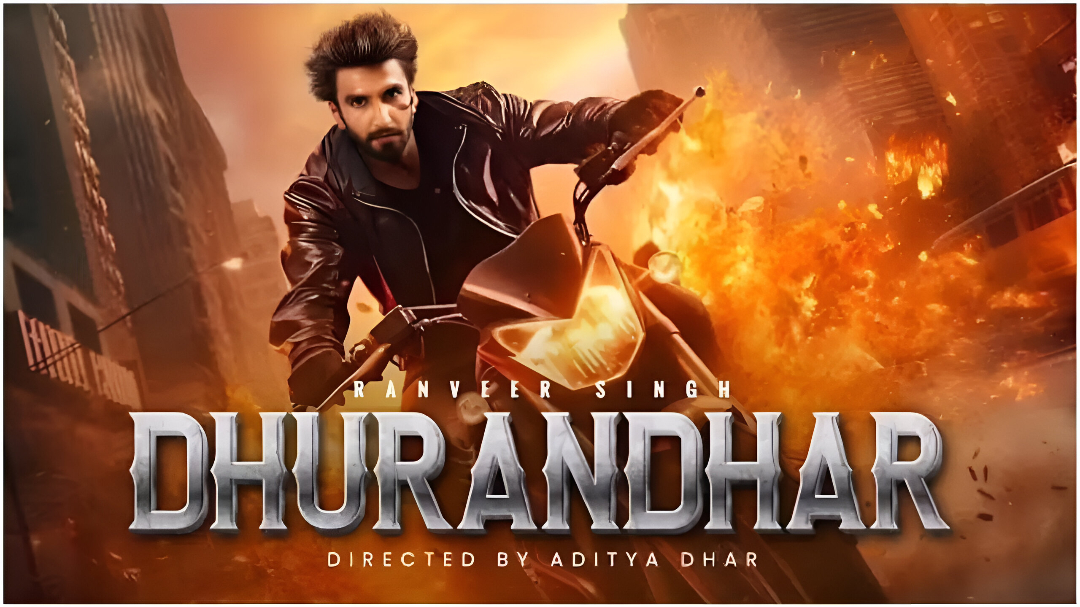
Firstly I want to thank Abhi for recommending this movie to me. Then I saw the Akshaye Khannas viral moves, I was hooked. A fantastic block buster movie it is, if I can shake off that subtle (or not so subtle) political propaganda.
So here comes the Good, the Bad the Ugly.
The Good: Boasting cinematography that is truly top-tier, this production emerges as a sophisticated spy thriller, soaring far above the pompous, high-octane spectacle of predecessors like Pathaan, Jawan, and Tiger. The ensemble cast delivers a masterclass in performance; every actor inhabits their role with a stunning, meticulous precision that anchors the narrative’s gravity. Predominantly set within the borders of Pakistan, the film maintains a refreshing restraint, steering clear of heavy-handed propaganda but for a few fleeting, sharp dialogues. Not since the legendary Sholay has a film possessed such a magnetic, arresting grip on my attention. The characterizations are superlative—from Arjun Rampal’s commanding portrayal of an ISI Chief to Rakesh Bedi’s nuanced turn as a Pakistani politician. Had this cinematic triumph been titled Don of Pakistan, it would undoubtedly explain why it has garnered such fervent admiration from Baluchistan and Pakistani audiences alike. At the heart of this brilliance is Akshaye Khanna, the film’s true protagonist, who carries the entire narrative on his shoulders with a powerhouse performance. While his viral dance sequence is undeniably captivating, it is his overall screen presence—commanding, dominant, and electric; that truly defines this masterpiece. I don’t think this is a propaganda movie, but I get why people feel that way. The last few films, especially Vivek Agnihotri’s, have set such a bad precedent. A perfect writing/direction by Aditya Dhar.
The Bad: Animal is the film that really kicked off this recent trend of excessive goriness, and each new release seems determined to push it even further. Unsurprisingly, it has driven away some viewers — including my better half. While it’s natural for audiences to be drawn to stylized violence on screen rather than in real life, the troubling part is how this on‑screen brutality seems to be spilling into the real world. That said, the decision by some Arab nations to ban the movie feels completely misguided.
The Ugly: R. Madhavan: — ‘Let’s save these documents; in the future there will be a better Prime Minister’ — felt completely unnecessary. This is especially disappointing coming from someone with his background. He comes from my own fraternity of engineering, something I’m genuinely proud of. He was an NCC cadet who trained with the British Army in England, once dreamed of joining the Indian Army, excelled in public speaking, and even represented India at the Young Business Conference in Japan. After all of this, he chose to pursue acting — and with such a stellar education and sharp acumen, he accepted the role of Ajit Doval, a highly respected former Intelligence and RAW chief. Yet he delivered that dialogue with such carelessness. It’s possible he didn’t fully grasp the implications of the line while filming — though if anyone should have, it’s someone with his training and analytical mind. But after watching the final cut, he could have at least clarified publicly that the dialogue was not a precise reflection of the character and risked being interpreted as propaganda. Celebrities today don’t voice their opinions — whether it’s Amitabh Bachchan, Shah Rukh Khan, or Aamir Khan — often facing backlash for doing so. Hrithik Roshan initially praised the film while acknowledging its propagandist elements, only to backtrack later. Madhavan, with his stature and credibility, could have taken a clearer stand.
Here’s my conclusion: if I only had the budget for one movie ticket, I’d skip a big family blockbuster like Avatar: Fire and Ash and choose Dhurandhar instead. I actually ditched my family and took a leap of faith on this one — and I wasn’t disappointed. That said, I’m already bracing myself for May 2026 Dhurandhar 2: Revenge, because I’m convinced the sequel will be full‑blown propaganda, and I won’t be watching it in theaters.”

 hadagali